A Nation Erupts: The Fall of Nepal's Premier Ministre
The serene landscapes of the Himalayan nation of Nepal were recently marred by a period of intense political unrest, culminating in the dramatic resignation of then-
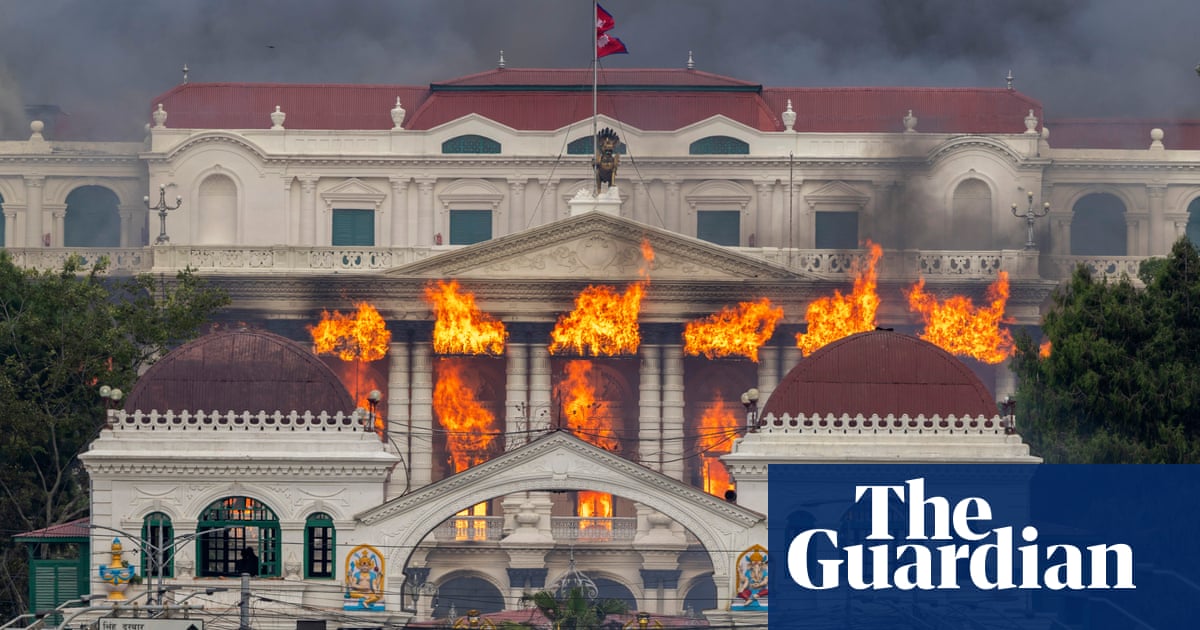
premier ministre népal (Prime Minister of Nepal), KP Sharma Oli. On September 9th, a day etched into Nepal's recent history, Kathmandu and other parts of the country erupted in violent protests. These demonstrations, fueled by deep-seated grievances, led to tragic casualties, with reports of 19 deaths and hundreds injured. In a stark display of public fury, protestors stormed and set fire to the Parliament building in the capital, an act that symbolized the profound disillusionment with the political establishment.
The immediate trigger for the widespread outrage appeared multifaceted, encompassing accusations of government authoritarianism, rampant corruption, and a controversial move to block social media networks—a measure later reversed in an apparent attempt to de-escalate tensions. Amidst this backdrop of turmoil, Prime Minister Oli penned a letter to the Nepalese President, announcing his resignation. His statement, conveyed to the press, indicated a desire "that measures can be taken for a political solution and a resolution of problems." He also expressed being "deeply saddened" by the deaths of protestors, which he termed a "tragic incident," and reportedly initiated discussions with political parties to quell the escalating violence. However, for many citizens, Oli's departure was not merely a political maneuver but a symptom of a much larger, systemic crisis.
Roots of Discontent: Corruption, Authoritarianism, and Citizen Outrage
The events leading to the prime minister's resignation were not sudden but rather the culmination of simmering frustrations that had been building within Nepalese society. At the heart of the protests lay widespread accusations of government corruption, a perennial issue that has plagued Nepal's political landscape. Citizens felt that the government, under Oli's leadership, was failing to address the fundamental needs of the populace, instead prioritizing self-interest and enriching political elites. This perception of unchecked corruption erodes public trust, stifles economic development, and fuels a sense of injustice among ordinary people.
Coupled with corruption were growing concerns over authoritarian tendencies exhibited by the government. The move to block social media networks, a critical tool for communication and organization in modern protests, was viewed by many as an attempt to stifle dissent and control the narrative. Such actions often backfire in the digital age, further galvanizing opposition and reinforcing the public's belief that their voices are being suppressed. The very fabric of Nepal's young democracy, established after years of conflict and monarchical rule, seemed to be under strain. This perceived drift towards authoritarianism, combined with allegations of financial impropriety, created a potent mix that ultimately ignited the streets. Prior to Oli's resignation, the departure of three of his ministers, including the influential Interior Minister, signaled cracks within his own administration, hinting at the immense internal pressure and loss of confidence that preceded his eventual downfall.
Beyond Resignation: Protesters Demand Systemic Change
While the resignation of the
premier ministre népal might seem like a significant victory for the protest movement, for many Nepalis, it was merely the first step in a much longer and more arduous journey toward genuine reform. The public's reaction to Oli's departure was far from one of complete satisfaction; instead, it underscored a profound demand for fundamental, systemic change. As one teacher, actively involved in the demonstrations, articulated to international journalists: "This is not enough, even if it is a big victory. His simple resignation is not enough, because he could return to power soon. We must hold him accountable, put him in prison." This sentiment highlights a desire not just for a change in leadership, but for justice and accountability for perceived past wrongs.
The depth of this public anger manifested in increasingly aggressive forms of protest. Beyond the peaceful demonstrations, reports indicated escalating violence against politicians, including the damage and burning of their private residences. Public buildings became targets, culminating in the symbolic act of setting fire to the Parliament in Kathmandu. This dramatic escalation, witnessed by hundreds who reportedly stormed the premises, communicated an unequivocal message: the current political system was deemed broken, and its institutions had lost legitimacy in the eyes of a significant portion of the population. Protesters articulated a demand for a "completely new paradigm," envisioning a future where the head of state is directly elected by the people and the constitution undergoes radical transformation. These are not minor adjustments but calls for a complete overhaul of the nation's governance structure, reflecting a profound desire to move
beyond resignation: Nepal's protesters demand radical system change that addresses the very foundations of power and representation.
The Aftermath: A Fragile Peace and an Uncertain Future
In the immediate wake of the prime minister's resignation and the unprecedented violence, Nepal grappled with restoring order and charting a path forward. The military was swiftly deployed, initially around the Parliament, and subsequently took control of the streets of Kathmandu. The Chief of Staff of the Nepalese Army issued a video message, appealing for calm and dialogue among all groups involved in the protests. This intervention underscored the severity of the crisis and the state's efforts to prevent further descent into chaos. While the visible signs of unrest in the capital subsided, the underlying issues that fueled the protests remain potent challenges for the nation.
Nepal now faces a complex political vacuum. The resignation of the premier ministre népal opens the door for a new government, but the process of forming one is fraught with difficulties, especially given the fractured political landscape and the public's deep distrust of established parties. The immediate challenge is to heal the divisions exposed by the protests, rebuild public trust in institutions, and address the systemic issues of corruption and authoritarianism that continue to fester. A mere change of leadership without genuine reforms risks perpetuating the cycle of discontent. The path forward demands inclusive dialogue, meaningful accountability, and concrete steps towards a more transparent and responsive governance model to avert future unrest. The future of the Himalayan nation hinges on its ability to navigate this period of transition, to bridge the gap between popular demands and political realities, and to foster a truly representative democracy. The situation in Nepal serves as a stark reminder of the complexities inherent in such transitions, illuminating
Nepal in Crisis: Protests Over Corruption, Authoritarianism & Oli's Fall.
Lessons from Nepal: Navigating Political Transition
The tumultuous events in Nepal offer profound lessons for developing democracies and nations grappling with political unrest worldwide. The rapid escalation from widespread discontent to violent protest and the fall of a sitting prime minister highlight several critical aspects of modern governance and citizen engagement.
For Governments: The Perils of Disconnect
Governments must understand that ignoring citizen grievances, particularly regarding corruption and perceived authoritarianism, can have catastrophic consequences. Transparency, accountability, and genuine responsiveness to public concerns are not just democratic ideals but essential safeguards against instability. Leaders, including any future
premier ministre népal, must cultivate open channels of communication and foster an environment where dissent is seen as feedback, not a threat. Blocking social media, for instance, often exacerbates rather than resolves tensions, as it fuels perceptions of suppression and undermines trust.
For Citizens and Activists: The Power and Responsibility of Protest
The Nepalese protests demonstrated the immense power of collective action in challenging entrenched political power. However, they also underscored the ethical dilemmas and practical risks associated with violence. While understandable given the depth of anger, the destruction of public property and attacks on individuals can undermine the moral authority of a movement and hinder long-term political reconciliation. Effective activism often requires strategic planning that balances passionate advocacy with a commitment to constructive engagement and non-violent principles to achieve sustainable change.
For International Observers: Supporting Democratic Evolution
The international community plays a crucial role in monitoring and supporting democratic transitions. This involves advocating for human rights, encouraging transparent governance, and providing assistance for institutional reforms. Understanding the nuances of local political dynamics is paramount to offering constructive support that genuinely empowers citizens and strengthens democratic processes without imposing external solutions.
Ultimately, Nepal's recent history serves as a powerful reminder that political change is rarely a single event but an ongoing process. It requires persistent effort, difficult compromises, and a steadfast commitment from all stakeholders to build a more just and equitable society.
In conclusion, the resignation of KP Sharma Oli as Nepal's Prime Minister, amidst violent protests and the burning of its Parliament, marked a critical turning point for the nation. It laid bare deep-seated frustrations with corruption and authoritarian governance, igniting a powerful demand for not just a change in leadership, but a radical transformation of the entire political system. As Nepal navigates this uncertain transition, the focus must shift from reacting to crises to proactively building robust, transparent, and accountable institutions that truly serve its 30 million inhabitants. The journey toward a stable and genuinely democratic future for Nepal remains challenging, but the unwavering spirit of its people signals an enduring hope for meaningful reform.