Nepal in Crisis: Protests Over Corruption, Authoritarianism & Oli's Fall
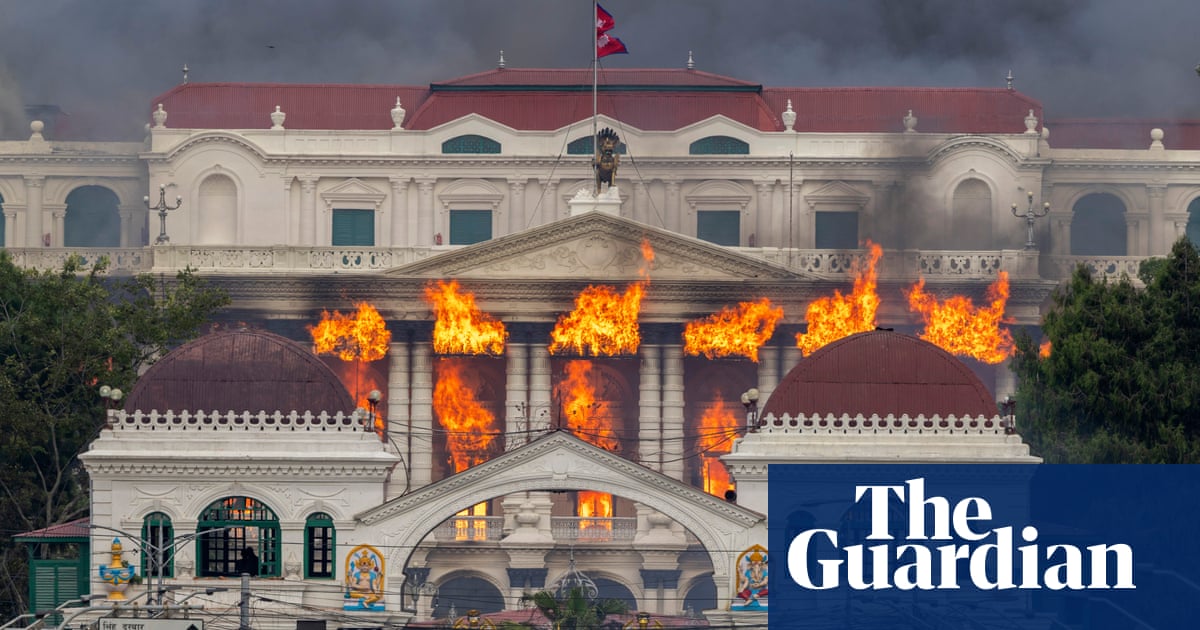
In a dramatic turn of events that sent shockwaves through the Himalayan nation, Nepal recently witnessed an intense period of civil unrest culminating in the resignation of its Prime Minister, Khadga Prasad Sharma Oli. The capital, Kathmandu, became the epicentre of furious protests, marked by accusations of widespread corruption, governmental authoritarianism, and a desperate public outcry for fundamental systemic change. The resignation of Oli, the former premier ministre népal, on September 9th, was not merely a political manoeuvre but a direct response to escalating violence that claimed 19 lives and left hundreds injured, culminating in the symbolic burning of the Parliament building itself.
This period of turmoil highlights deep-seated grievances within Nepalese society, demonstrating that for many citizens, the departure of one leader is just the first step in a much larger struggle for genuine democratic reform and accountability. The crisis unfolded against a backdrop of increasing public frustration, a social media blackout that only fuelled anger, and a government perceived as increasingly detached from the needs of its 30 million inhabitants. As the events unfolded, the world watched a nation grapple with its democratic aspirations amidst significant unrest, necessitating a closer look into the forces that drove the then premier ministre népal from power.
The Spark Ignites: A Nation's Outcry Against Corruption and Authoritarianism
The protests that swept across Nepal were not spontaneous but simmered for weeks, fueled by a potent cocktail of public disillusionment and specific governmental actions. A key catalyst was the administration's decision to block social media networks, a move widely condemned as an authoritarian attempt to silence dissent and control information. This act only intensified public anger, confirming suspicions that the government of the premier ministre népal, KP Sharma Oli, was increasingly autocratic.
At the heart of the grievances lay rampant accusations of corruption. From everyday graft to large-scale alleged misappropriation of public funds, the perception of a government riddled with unethical practices had eroded public trust. Citizens felt that their leaders, including the office of the premier ministre népal, were more interested in self-enrichment than in addressing the nation's pressing issues. This sentiment was exacerbated by what many perceived as an unresponsive government, prioritizing power consolidation over public welfare.
As the demonstrations gained momentum, they quickly turned violent. Clashes between protestors and security forces led to tragic casualties, with 19 lives lost and hundreds more sustaining injuries across the country. These fatalities further inflamed the situation, transforming peaceful marches into fierce confrontations. The scale of the unrest was unprecedented, reflecting a profound sense of betrayal and exasperation among the populace. The government’s heavy-handed response, including the initial social media blockade, only served to galvanize the protestors, showing that even in the face of digital censorship, the collective voice of the people could not be silenced. For more details on the immediate events, refer to Nepal PM Oli Resigns Amid Violent Protests and Parliament Fire.
KP Sharma Oli's Resignation: A Calculated Move or Forced Retreat?
The pressure on Prime Minister KP Sharma Oli reached a critical point on September 9th. Faced with an escalating crisis and dwindling support, the premier ministre népal announced his resignation in a letter addressed to the Nepalese President. In his statement, Oli articulated his decision as a step towards enabling "a political solution and resolution of problems," expressing profound sadness over the deaths of protestors, which he termed a "tragic incident."
However, many observers and protestors viewed his resignation not as a magnanimous gesture but as a forced retreat. The immediate precursor to his announcement saw three of his key ministers, including the influential Minister of Interior, tender their resignations. This internal dissent within his cabinet signalled a crumbling of support from within his own party and government, making his position untenable. Oli's attempts to open discussions with political parties to "put an end" to the violence seemed too little, too late, failing to quell the public's fury.
The rapid sequence of events – from the intensified protests and the tragic loss of life to the resignations of his closest allies – painted a picture of a leader cornered by an unstoppable tide of public outrage. While his resignation offered a temporary political reprieve, it barely scratched the surface of the deep-seated issues that had fueled the unrest. The departure of the premier ministre népal was, for many, less an act of statesmanship and more a capitulation to an overwhelming popular mandate for change.
Beyond the Fall: Protesters Demand Radical Systemic Transformation
Even after the resignation of KP Sharma Oli, the streets of Kathmandu remained volatile. For many protestors, the departure of the premier ministre népal was merely a first, albeit significant, victory. The anger extended far beyond a single individual to the very foundations of Nepal's political system. "This isn't enough, even if it's a big victory," remarked an educator involved in the demonstrations. "His simple resignation isn't enough, because he could come back to power soon. We must hold him accountable, put him in prison."
This sentiment underscored a profound disillusionment with the existing democratic framework. Protestors articulated a desire for a "completely new paradigm," demanding radical changes to the constitution that would see the head of state directly elected by the people. This call for constitutional reform signals a desire to move away from a system perceived as easily manipulated by political elites, towards one that offers greater direct public representation and accountability.
The intensity of this demand for systemic change manifested in unprecedented acts of defiance. Local media and eyewitness accounts described scenes of violence against politicians, with public buildings damaged and even homes of political figures set ablaze. "The situation has worsened significantly," stated a young man present at the protests. "Young people are entering party offices, burning politicians' houses, destroying their properties. We want to see all politicians leave and a new government come to power." The most dramatic symbol of this fury was the burning of the Parliament building itself, an act that sent a clear message: the institutions that once represented the people were now viewed as part of the problem. This phase of the crisis deeply explored the public's desire for fundamental shifts, as further examined in Beyond Resignation: Nepal's Protesters Demand Radical System Change.
Navigating the Aftermath: Calls for Calm Amidst Uncertainty
In the immediate aftermath of the widespread unrest and the resignation of the premier ministre népal, the Nepalese army was deployed to restore order. Within days, military forces regained control of the streets of Kathmandu, signaling an end to the most violent phase of the protests. In a crucial message delivered via video, the army chief appealed for calm and dialogue, urging "all groups involved in the demonstrations to return to calm and engage in dialogue."
This call for national unity and dialogue highlighted the immense challenges facing Nepal. Beyond the immediate task of rebuilding and reconciliation, the country must now navigate a complex political vacuum. Oli's departure leaves open questions about who will succeed him and what shape the new government will take. The demands for constitutional reform and a complete overhaul of the political system loom large, suggesting that any new leadership will face immense pressure to deliver on the promises of transparency, accountability, and genuine democratic representation.
Nepal, a nation of 30 million in the Himalayas, has a history of political instability. Understanding this context is crucial for grasping the depth of the current crisis. The recent events serve as a stark reminder that democratic institutions, even after decades of struggle, remain fragile and constantly susceptible to public scrutiny and demands for reform. For international observers, it's vital to recognize that the calls for change go beyond a single political figure; they reflect a nationwide aspiration for a more equitable and representative governance structure. The transition period will undoubtedly test the resilience of Nepal's democratic processes and its ability to heal the wounds of division.
The resignation of KP Sharma Oli as premier ministre népal marks a pivotal moment in Nepal's recent history, but it is far from the conclusion of its political drama. The fiery protests, fueled by accusations of corruption and authoritarianism, have laid bare the profound frustrations of a populace demanding more than just a change of leadership—they seek a fundamental transformation of their political system. As Nepal steps into an uncertain future, the calls for accountability and constitutional reform echo loudly, challenging its leaders to build a more just and representative democracy. The path ahead is fraught with challenges, but the strength of the people's voice offers a glimmer of hope for a truly new paradigm.