Beyond Resignation: Nepal's Protesters Demand Radical System Change
Nepal, a nation often celebrated for its majestic Himalayan landscapes and rich cultural tapestry, recently found itself gripped by an intense wave of civil unrest that transcended mere political disagreement. The resignation of then-Prime Minister Khadga Prasad Sharma Oli, the figure often referred to as the
premier ministre népal in international reports, on September 9th, was not the end of the turmoil, but rather a catalyst for deeper demands. What began as protests against specific government actions quickly escalated into a widespread cry for a fundamental overhaul of the entire political system, culminating in the symbolic burning of the Parliament building in Kathmandu. This article delves into the causes, unfolding events, and profound implications of these historic demonstrations, highlighting why for many Nepalis, Oli's departure was just the first step in a much longer journey towards genuine change.
The Spark Ignites: Unrest, Casualties, and Oli's Retreat
The prelude to KP Sharma Oli’s resignation was a period of mounting frustration and violent confrontations across Nepal. Days of escalating protests saw a tragic toll of 19 lives lost and hundreds more injured, underscoring the severity of the public’s discontent. The government’s initial response, including the controversial blocking of social media networks, only served to fuel accusations of authoritarianism and further inflamed public anger. This move, which mirrored tactics often employed by regimes attempting to stifle dissent, backfired spectacularly, solidifying the public's perception of a government out of touch and unwilling to listen.
Amidst this volatile backdrop, accusations of pervasive corruption against Oli’s administration became a central rallying point for the protesters. Nepalis, many struggling with economic hardship and disillusioned by political elites, saw the government's actions as a clear sign of self-serving power rather than public service. As pressure intensified, the political landscape within the ruling party began to crack, with three of Oli’s ministers, including the influential Interior Minister, tendering their resignations before the Prime Minister himself.
Finally, on September 9th, Oli announced his resignation in a letter to the Nepali president, stating his intent to pave the way for "political solution and problem resolution." He expressed being "deeply saddened" by the deaths of protesters, labeling them a "tragic incident." While his departure was a significant political development, for many, it barely scratched the surface of the underlying issues. To understand the immediate context of Oli's downfall and the unfolding violence, readers can delve deeper into
Nepal PM Oli Resigns Amid Violent Protests Amid Parliament Fire.
A Mere First Step? Protesters Demand Deeper Change
Despite the high-profile resignation of the Prime Minister, the collective sentiment on the streets of Kathmandu and beyond was clear: this gesture, while significant, was far from sufficient. An exasperated teacher, speaking from the heart of the protests, articulated this widespread feeling, stating, "It's not enough, even if it's a great victory. His simple resignation isn't enough, because he could return to power soon. We must hold him accountable, put him in prison." This sentiment highlights a profound distrust in the political cycle and a demand for concrete justice beyond mere changes in leadership.
The protesters' vision extends far beyond replacing one political figure with another. They are calling for a "completely new paradigm," a fundamental restructuring of Nepal's political system. The core demand, as voiced by many, is for a constitutional amendment that would see the head of state directly elected by the people, rather than through parliamentary mechanisms. This shift aims to enhance accountability and directly empower citizens, challenging the traditional power structures that have often been perceived as insulated from public will.
This demand for direct election of the head of state is a powerful indicator of the frustration with Nepal's existing parliamentary democracy, which many believe has failed to deliver good governance, stability, or prosperity. It reflects a desire for a more robust form of popular sovereignty, where leaders are directly answerable to the electorate. This shift would fundamentally alter the balance of power and represent a radical departure from the current political framework, symbolizing a true system change rather than a mere reshuffle of personalities.
Kathmandu Ablaze: The Symbolism of a Burning Parliament
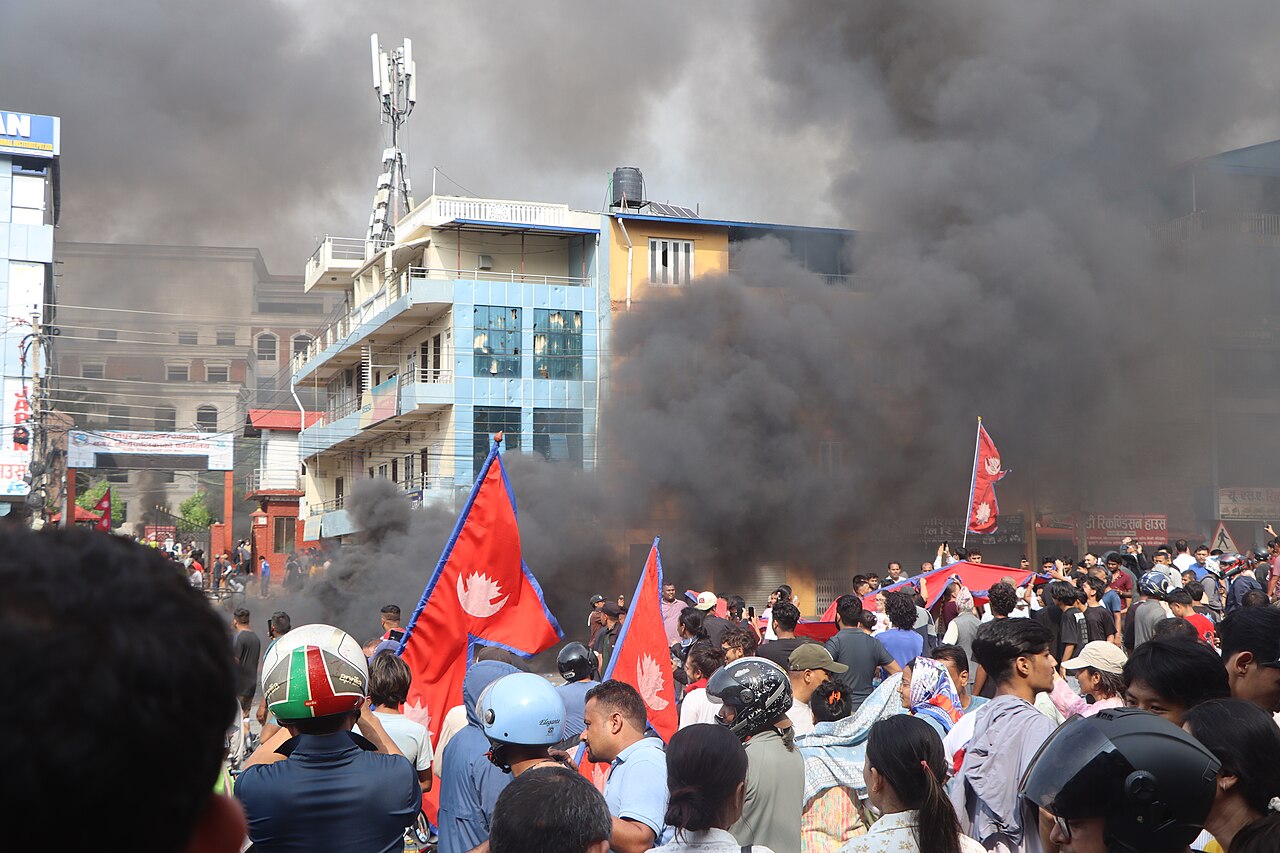
The protests reached a critical crescendo with acts of extreme symbolism and widespread destruction. In Kathmandu, local media and protester-sent images vividly depicted an escalation of violence, moving beyond street confrontations to direct attacks on political infrastructure. "The situation has worsened significantly compared to yesterday," reported a young man participating in the marches. "Young people are entering political party offices, burning politicians' houses, destroying their properties. We want to see all politicians leave and a new government come to power."
The most striking and widely reported event was the burning of the Parliament building itself. As Ekram Giri, a spokesperson for the Nepali Parliament, confirmed, "Hundreds of people invested the Parliament enclosure and set fire to the main building." This act was not merely vandalism; it was a potent, visceral rejection of the institutions that protesters felt had failed them. The Parliament, the very seat of legislative power, became a physical representation of the system they sought to dismantle. Such acts of defiance, while condemned for their destructive nature, underscore the depth of the public’s rage and their determination to be heard.
In the aftermath of these tumultuous events, with parts of the capital engulfed in smoke and uncertainty, the Nepali army was deployed to regain control of the streets. Army Chief of Staff issued a video message, urging "all groups involved in the demonstrations to return to calm and engage in dialogue." This call for dialogue, however, came at a time when trust in political institutions was at an all-time low, making meaningful engagement a monumental challenge. The fiery scene of the Parliament building is a stark reminder of the volatile state of affairs and the urgent need for a path forward.
Beyond the Immediate Crisis: What's Next for Nepal?
The recent crisis in Nepal highlights deep-seated issues that extend far beyond the tenure of any single prime minister. The demands for radical system change, as articulated by the protesters, point to a profound dissatisfaction with governance, corruption, and the mechanisms of power itself. Nepal, a nation of 30 million inhabitants in the Himalayas, has a complex history of political transitions, moving from a monarchy to a federal democratic republic. This recent upheaval underscores the ongoing challenges in consolidating democratic institutions and ensuring they serve the populace effectively.
The core issues at play include:
- Endemic Corruption: A pervasive problem that erodes public trust and diverts resources meant for development and public welfare.
- Authoritarian Tendencies: Governments, regardless of their democratic mandates, have often shown tendencies to centralize power and suppress dissent, as seen with the social media blockade.
- Lack of Accountability: A perception that political elites are insulated from the consequences of their actions, fueling demands for a more direct electoral system for the head of state.
- Constitutional Reform: The clamor for a new constitutional paradigm suggests a belief that the current framework is insufficient to address the nation's challenges or reflect the people's will.
For Nepal to move forward, a multi-faceted approach is required. Practical steps towards meaningful system change could include:
- Genuine Dialogue: Establishing inclusive platforms for all stakeholders, including youth and civil society, to discuss constitutional reforms and governance models.
- Strengthening Institutions: Implementing robust anti-corruption measures, judicial reforms, and strengthening oversight bodies to ensure accountability.
- Electoral Reform: Reviewing electoral laws to ensure fair representation and reduce the influence of money and power in politics.
- Citizen Engagement: Fostering a culture of active citizen participation in governance beyond elections, empowering local communities.
- Transparency: Enhancing government transparency in decision-making and public spending to rebuild trust.
The fall of former
premier ministre népal KP Sharma Oli is merely a symptom of a larger, systemic malaise. For further insight into the broader political landscape and the factors leading to this crisis, explore
Nepal in Crisis: Protests Over Corruption, Authoritarianism & Oli's Fall.
Conclusion
The resignation of Prime Minister KP Sharma Oli, alongside the dramatic imagery of a burning Parliament, signals a watershed moment in Nepal's political history. It is clear that for many Nepalis, this is not just about a change of leadership, but a profound call for radical system change. The protests, fueled by accusations of corruption, authoritarianism, and a desire for direct accountability, reflect a deep-seated demand for a new political paradigm, potentially including a directly elected head of state. While the immediate chaos may have subsided with the deployment of the army and calls for calm, the underlying frustrations and aspirations for a more just and representative system remain vibrant. Nepal stands at a critical juncture, facing the challenging task of transforming widespread discontent into constructive dialogue and meaningful, lasting reform. The path ahead is uncertain, but the demands for fundamental change have been unequivocally heard.